• You're one step from joining Bookbinding Forum – Handmade Books, DIY Binding & Restoration.
    Create a free account to post, follow threads, and never miss an update.  Sign up free →

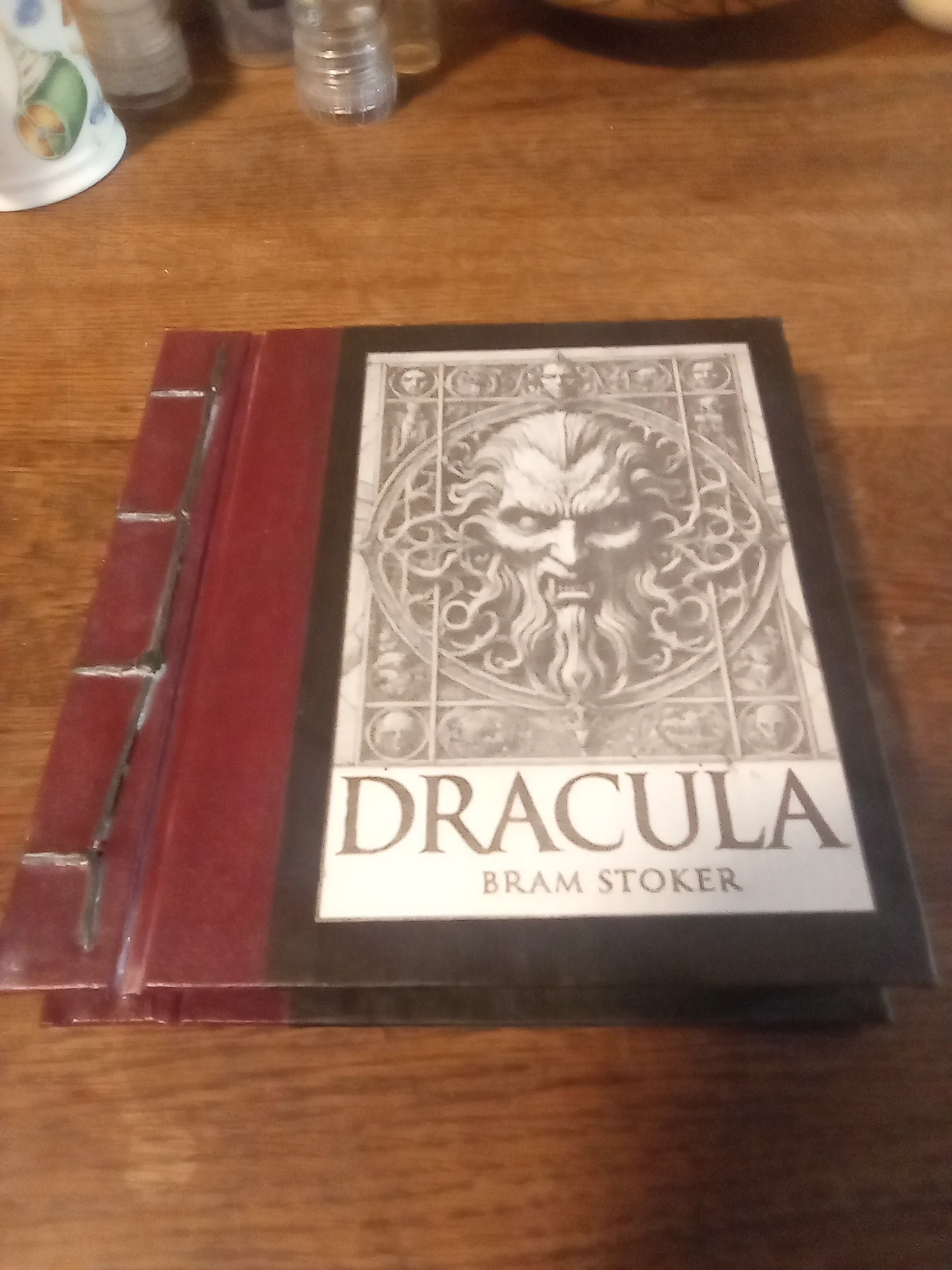
Second book using lumbeck/Japanese stab combination binding method

stevecook-uk

Member
Joined
Apr 2, 2025
Messages
7
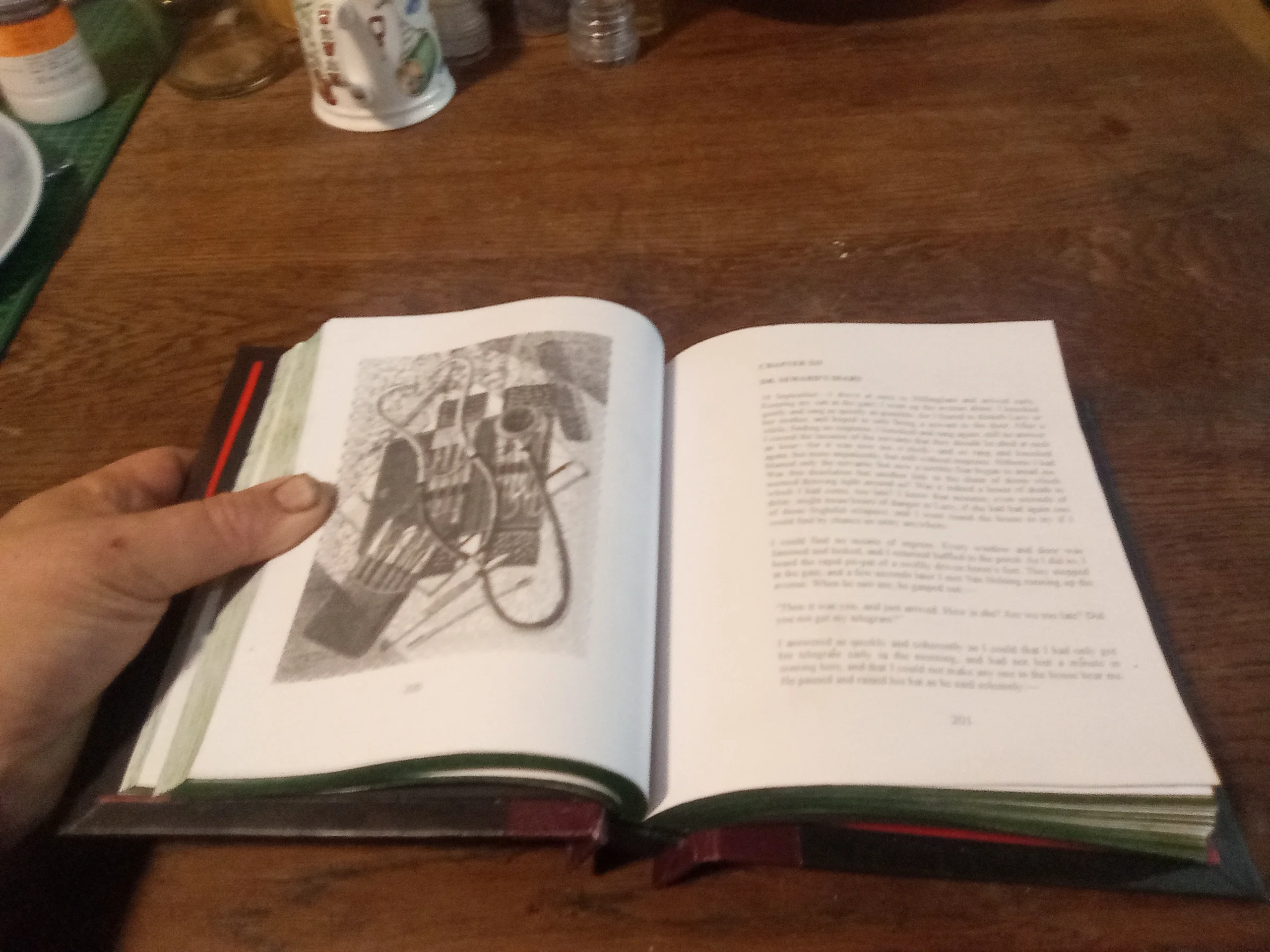
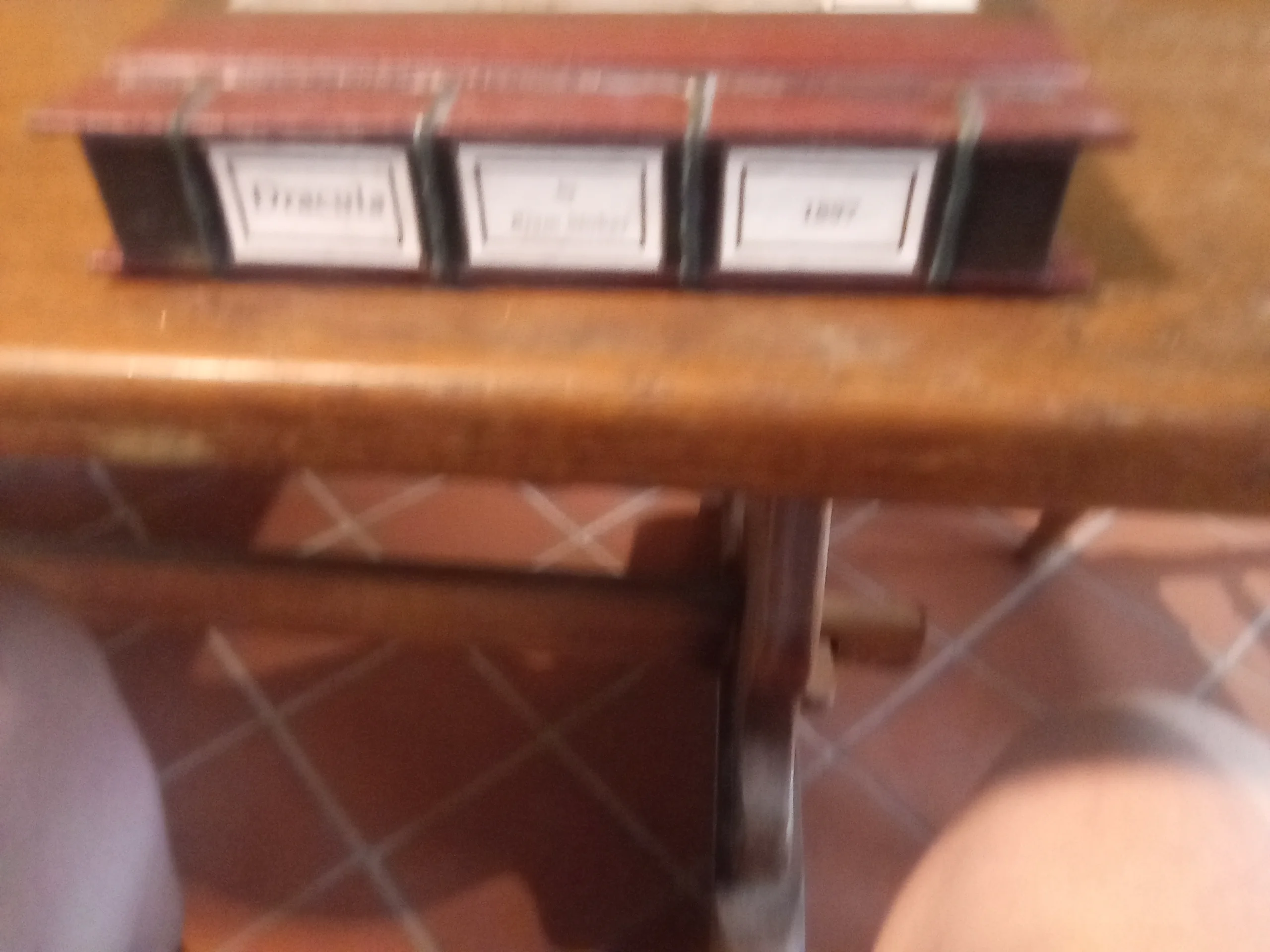
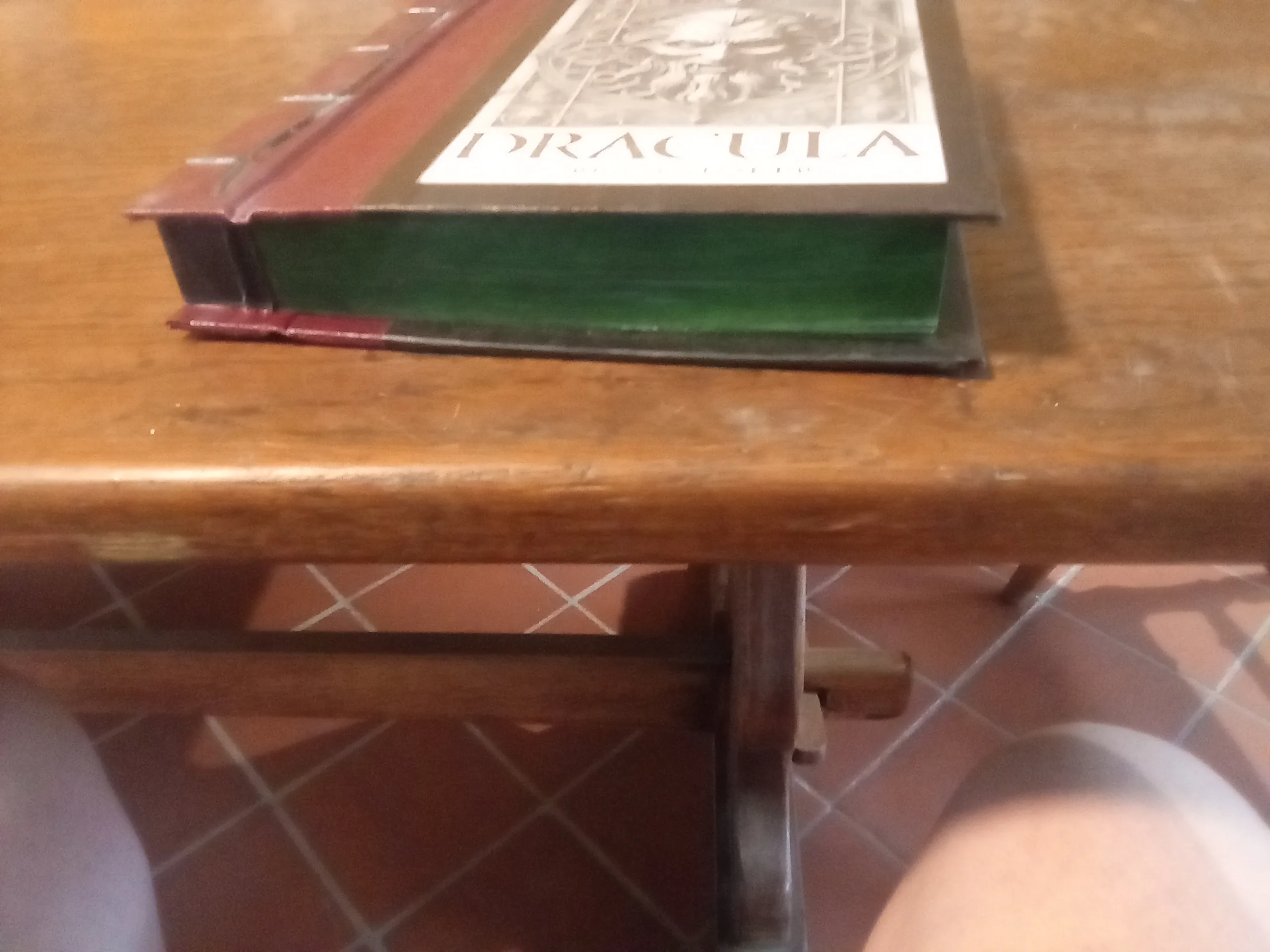
A few photos included.

Never mind the milky bits round the spine. That's just acrylic drying.

Still a few niggles;

1) The spine width on the face could be narrowed from 2.5cm to 1.5cm. The reason I could get away with the above is due to the spine already being rigid due to having being lumbecked and then further strengthened with sawn in cords.

2) The width of the face beyond the spine could be an extra 2cm. This, along with a reduced spine width across the face, would give an extra 3cm of width to the text block, allowing for a better drape of the pages when opened.

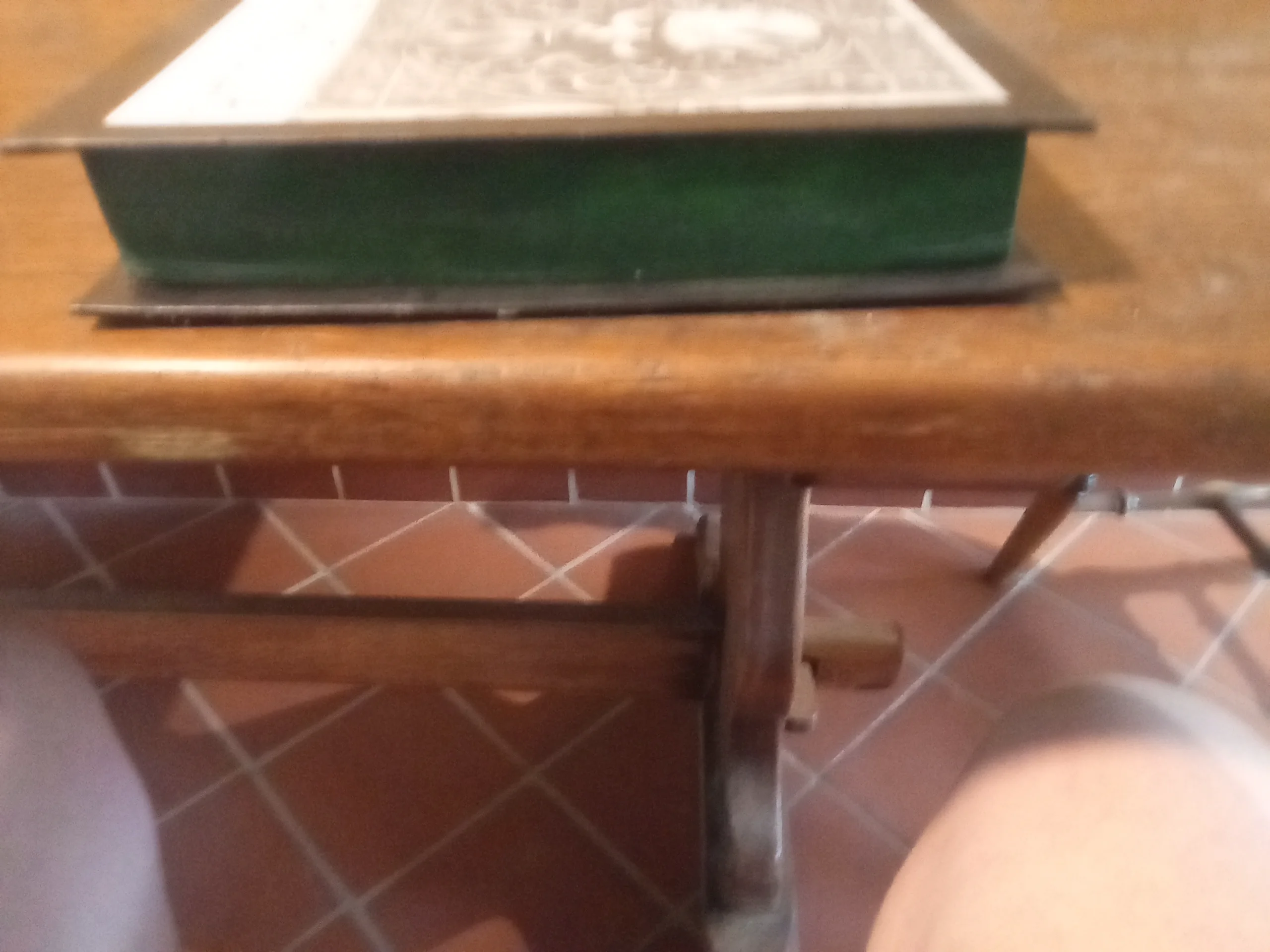
3) The overhang of the book boards around the text block could be reduced to nothing (like a paperback, but with a hard cover). The reason being, due to the relatively large width of the book, there is a risk of warpage of the textblock/hardback covers due to a large fulcrum effect of the textblock hanging off the spine under the influence of gravity sat on a bookshelf. The traditional Japanese stab bindings have no overhang on the covers and I suspect the above is one of the reasons why (along with the use of soft covers). By having the textblock supporting it's own weight along it's bottom face, the fulcrum effect is eliminated. Dumbo here could have worked that out in advance. But, I do so very much like to learn the hard way.

4) It could be constructed more neatly.

Onwards and upwards.
 

Attachments

  • IMG_20250412_185043_852.webp
    IMG_20250412_185043_852.webp
    350.6 KB
  • IMG_20250412_185108_403.webp
    IMG_20250412_185108_403.webp
    199.1 KB
  • IMG_20250412_185101_246.webp
    IMG_20250412_185101_246.webp
    220.6 KB
  • IMG_20250412_185114_513.webp
    IMG_20250412_185114_513.webp
    190.9 KB
  • IMG_20250412_185306_664.webp
    IMG_20250412_185306_664.webp
    412.2 KB
A few photos included.

Never mind the milky bits round the spine. That's just acrylic drying.

Still a few niggles;

1) The spine width on the face could be narrowed from 2.5cm to 1.5cm. The reason I could get away with the above is due to the spine already being rigid due to having being lumbecked and then further strengthened with sawn in cords.

2) The width of the face beyond the spine could be an extra 2cm. This, along with a reduced spine width across the face, would give an extra 3cm of width to the text block, allowing for a better drape of the pages when opened.

3) The overhang of the book boards around the text block could be reduced to nothing (like a paperback, but with a hard cover). The reason being, due to the relatively large width of the book, there is a risk of warpage of the textblock/hardback covers due to a large fulcrum effect of the textblock hanging off the spine under the influence of gravity sat on a bookshelf. The traditional Japanese stab bindings have no overhang on the covers and I suspect the above is one of the reasons why (along with the use of soft covers). By having the textblock supporting it's own weight along it's bottom face, the fulcrum effect is eliminated. Dumbo here could have worked that out in advance. But, I do so very much like to learn the hard way.

4) It could be constructed more neatly.

Onwards and upwards.
nice work! that spine rigidity reallyyyy did wonders. and yeah i agree that narrower spine face + wider fore edge are better for page drape! anyway you might think it could be constructed more neatly but honestly tho? lessons learned are future wins.
 
A few photos included.

Never mind the milky bits round the spine. That's just acrylic drying.

Still a few niggles;

1) The spine width on the face could be narrowed from 2.5cm to 1.5cm. The reason I could get away with the above is due to the spine already being rigid due to having being lumbecked and then further strengthened with sawn in cords.

2) The width of the face beyond the spine could be an extra 2cm. This, along with a reduced spine width across the face, would give an extra 3cm of width to the text block, allowing for a better drape of the pages when opened.

3) The overhang of the book boards around the text block could be reduced to nothing (like a paperback, but with a hard cover). The reason being, due to the relatively large width of the book, there is a risk of warpage of the textblock/hardback covers due to a large fulcrum effect of the textblock hanging off the spine under the influence of gravity sat on a bookshelf. The traditional Japanese stab bindings have no overhang on the covers and I suspect the above is one of the reasons why (along with the use of soft covers). By having the textblock supporting it's own weight along it's bottom face, the fulcrum effect is eliminated. Dumbo here could have worked that out in advance. But, I do so very much like to learn the hard way.

4) It could be constructed more neatly.

Onwards and upwards.
Looks good to me. Yeah it could be constructed more neatly but... you know. You did your best :)
 
2) The width of the face beyond the spine could be an extra 2cm. This, along with a reduced spine width across the face, would give an extra 3cm of width to the text block, allowing for a better drape of the pages when opened.
oh yeah, you're on the right track, it looks great! giving the text block more room on the face beyond the spine, combined with that narrower spine on the cover, will absolutely improve the page drape.
maybe a little advice, that is to make sure your endpapers aren't too stiff for the overall flexibility you're aiming for, as they play a big role in how the block opens
 
This looks amazing! I'm just starting and this combo method sounds intriguing. How does the lumbeck technique affect flexibility compared to traditional stab binding? Also, when adjusting spine width or board overhang, do you test with mockups first or just go with it?
 
This looks amazing! I'm just starting and this combo method sounds intriguing. How does the lumbeck technique affect flexibility compared to traditional stab binding? Also, when adjusting spine width or board overhang, do you test with mockups first or just go with it?
Hi.

In terms of flexibility compared to traditional stab:

Spine flexibility...

None existent compared to stab. It's rock solid due to the lumbecking plus sawn in cords

Page flexibility....

it's basically identical due to the flexibility being set by the stab stitching nearest the text block on the spine at its right hand side, which is identical to a traditional stab binding. That is to say, the lumbecking does not affect it in any way other than to stiffen and strengthen the spine itself.

As for testing. Sometimes I do. Sometimes i just go for it.

Usually, I just go for it...:)
 
Last edited:
Back
Top